How to Help a Local Shelter When You Cannot Adopt
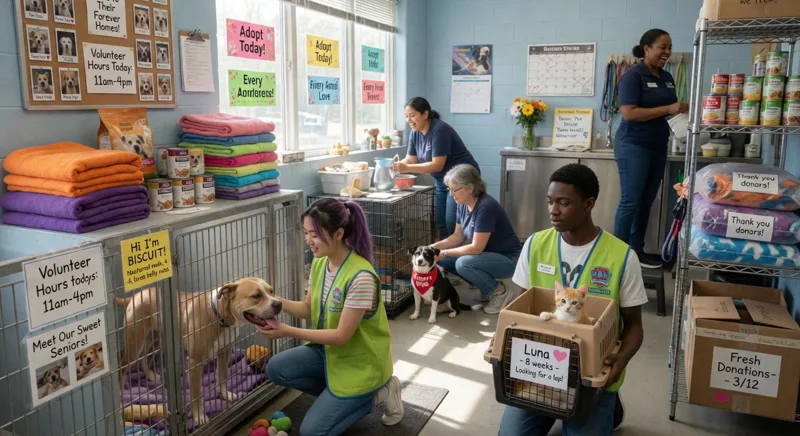
You may not be ready to adopt, but that does not mean you cannot make a meaningful difference. Learning how to help a local shelter when you cannot adopt opens the door to practical ways to support homeless pets, busy staff, and the families working to keep animals safe.
Volunteer at the Animal Shelter
Time is one of the most valuable resources an animal shelter has. Volunteers can help with daily care, enrichment, cleaning, adoption events, and administrative tasks. Many shelters provide training, so previous animal-care experience is often unnecessary.
Ask your local shelter which opportunities fit your schedule. Depending on its needs, you might:
- Walk dogs or spend quiet time socializing cats
- Wash bedding, organize supplies, or clean kennel areas
- Photograph adoptable pets for online listings
- Help at adoption fairs and community events
- Answer phones or assist with basic administrative work
- Transport animals to veterinary appointments or foster homes
Even a few hours each month can give shelter staff more time to focus on medical care, behavior support, and finding permanent homes.
Consider Short-Term Pet Fostering
Adoption is permanent, while fostering is temporary. If you cannot make a lifelong commitment, ask whether your local shelter offers a foster care program. Foster homes provide animals with a safe place to rest, recover, and learn household routines before adoption.
Fostering can also free kennel space, allowing the shelter to help additional animals. Some organizations supply food, crates, medications, and veterinary care, but policies vary, so clarify expectations before accepting an animal.
Foster Options to Ask About
- Weekend or short-term fostering
- Emergency foster care during overcrowding
- Kitten or puppy fostering
- Medical recovery fostering
- Fostering pets while their owners address a temporary crisis
- Foster care during holidays or shelter renovations
If fostering is not possible because of pets, housing rules, or a busy schedule, you can still help by sharing foster requests with people in your community.
Donate Supplies Instead of Money
Animal shelters regularly need everyday items. Before buying anything, check the organization’s current shelter supply wish list. Donations are most useful when they match the shelter’s actual procedures, storage capacity, and medical requirements.
Commonly requested items may include:
- Unopened dog and cat food
- Kitten formula and nursing supplies
- Towels, blankets, and washable bedding
- Leashes, collars, crates, and carriers
- Cat litter and scratching pads
- Pet-safe cleaning products
- Toys and enrichment items
- Gift cards for local pet-supply stores
Used blankets, toys, and equipment may be accepted, but some shelters can only use specific materials for sanitation reasons. A quick phone call prevents wasted donations.
Make a Small Financial Donation Count
You do not need to make a large donation to support animal welfare. A modest recurring gift may help a shelter budget for food, vaccinations, sterilization, emergency veterinary care, and parasite prevention.
If you prefer a specific purpose, ask about programs such as:
- Emergency medical funds
- Spay and neuter services
- Community cat programs
- Vaccination clinics
- Pet food assistance for families in need
- Transport and relocation programs
Choose a reputable nonprofit or municipal shelter, and review its donation instructions before sending money or supplies.
Help Pets Get Noticed Online
Many animals find homes because someone shares the right post with the right person. Follow your local shelter’s official social media accounts and share adoption profiles responsibly. Include the shelter’s original contact information rather than making promises on its behalf.
You can also help by:
- Writing clear, positive descriptions of adoptable pets
- Taking approved photographs in natural light
- Sharing urgent foster requests
- Promoting adoption events
- Correcting misinformation about shelter animals
Never remove an animal from a shelter’s official process or encourage people to bypass required applications and screenings.
Support Responsible Pet Retention
Helping a shelter is not only about animals already inside the building. Preventing surrender can reduce pressure on the entire local animal-care system.
Offer practical support by directing neighbors to low-cost veterinary clinics, pet food pantries, behavior resources, and temporary foster programs. A ride to the veterinarian, a bag of appropriate food, or help locating a landlord-approved housing option may keep a pet with its family.
Advocate for Your Local Animal Community
Learn what challenges affect shelters in your area, such as overcrowding, limited veterinary access, lost-pet reunification, or insufficient foster homes. Attend community meetings, share accurate information, and support humane policies that expand spay and neuter access and help families keep their pets.
You can also volunteer remotely by managing social media, designing flyers, updating adoption listings, or coordinating transport. Ask the shelter what work can be completed from home.
Choose the Best Way to Help
| Available resource | Helpful option |
|---|---|
| Limited time | Share adoption posts or volunteer at occasional events |
| Extra room temporarily | Apply for short-term foster care |
| Limited budget | Donate supplies, skills, or a few hours |
| Professional skills | Offer photography, writing, transport, design, or administrative help |
| Strong community connections | Organize a supply drive or promote shelter events |
Every Kind of Help Matters
Knowing how to help a local shelter when you cannot adopt starts with recognizing that animal welfare depends on more than adopters. Volunteers, foster caregivers, donors, advocates, transport drivers, and online supporters all contribute to better outcomes for pets.
Contact your local shelter, ask what it needs most, and choose one realistic action you can sustain. Whether you give an hour, share a post, provide temporary care, or donate a bag of food, your support can make shelter life safer and help more animals reach loving homes.
References
You May Also Like
 Entertainment
The Ultimate Test of Your 2000s Pop Culture Memory
 Entertainment
Which Cozy Weekend Plan Matches Your Personality?
 Entertainment
Can You Identify These Movies From One Object?