The Joy of Finding Your People Online
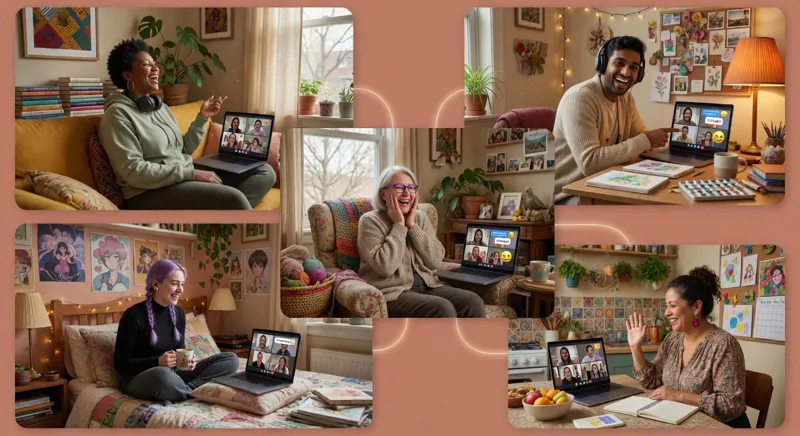
The joy of finding your people online begins with one simple feeling: being understood. In the right digital community, shared interests, life experiences, and honest conversations can turn strangers into friends—and make the internet feel surprisingly like home.
Why Online Communities Feel So Meaningful
Finding your people online is not just about collecting followers or joining another group chat. It is about discovering a community where you can speak naturally, ask questions without embarrassment, and share the parts of yourself that may not fit easily into everyday conversations.
Online communities can connect people across distance, age, background, and circumstance. A new parent can find support from others awake at midnight. Someone exploring a niche hobby can meet experienced enthusiasts. A person living with a rare condition may find practical advice and empathy from people who genuinely understand.
Research suggests that online groups can provide companionship, information, emotional support, and a sense of belonging. Their value often depends on how people participate: active conversation and thoughtful interaction tend to create stronger connections than passive scrolling.
Where to Find Your People Online
There is no single best platform for building online friendships. The right space depends on what you want from the experience and how comfortable you feel participating.
- Interest-based forums: Ideal for hobbies, crafts, books, gaming, technology, cooking, and specialized interests.
- Social media groups: Useful for local communities, parenting support, professional networking, and shared identities.
- Online support groups: Helpful for discussing health challenges, grief, recovery, caregiving, and major life changes.
- Virtual classes and workshops: A natural way to meet people while learning a language, creative skill, or professional subject.
- Gaming communities: Popular spaces for teamwork, conversation, and long-term online friendships.
- Community servers and group chats: Often offer faster, more personal interaction around a shared interest or goal.
Try searching for phrases such as “online community for beginners,” “local hobby groups,” “virtual support group,” or “online friends with similar interests.” Specific searches usually lead to more welcoming conversations than broad social media browsing.
How to Build Genuine Online Friendships
Joining a community is the first step. Belonging develops through consistent, respectful participation.
- Introduce yourself thoughtfully. Share a little about your interests and what brought you to the group. You do not need to reveal personal details.
- Ask open-ended questions. Questions invite conversation and show that you are interested in other members, not only in being noticed.
- Respond with empathy. A helpful comment, encouraging message, or simple acknowledgment can make someone feel seen.
- Participate consistently. Familiarity grows when people see you contributing over time.
- Look for shared activities. Book clubs, online games, study sessions, and creative challenges create natural opportunities for connection.
- Let trust develop gradually. Strong online friendships rarely need to be rushed.
The most rewarding online friendships often begin with ordinary exchanges: recommending a podcast, troubleshooting a problem, celebrating a small victory, or laughing over a shared experience.
The Importance of Inclusive Online Spaces
People are more likely to participate when a community feels welcoming and well moderated. Clear rules, respectful disagreement, and active responses to harassment help create the psychological safety needed for genuine connection.
Inclusive communities do not require everyone to think alike. Instead, they make room for different perspectives while protecting members from personal attacks, discrimination, and unwanted pressure. Look for groups where newcomers receive friendly replies and moderators address harmful behavior consistently.
If a community repeatedly leaves you anxious, excluded, or drained, it may simply be the wrong fit. Finding your people online sometimes means leaving spaces that do not treat you with respect.
Stay Safe While Making Online Connections
Warm conversations can create trust, but online safety still matters. Protect your privacy while you get to know people.
- Do not post your home address, private phone number, financial information, or real-time location.
- Use privacy settings that limit who can view your profile and contact you.
- Be cautious when someone quickly asks for money, favors, passwords, or confidential information.
- Verify health, legal, and financial advice with a qualified professional.
- Before meeting someone offline, tell a trusted person and choose a public location.
- Block and report harassment, threats, impersonation, or suspicious behavior.
Healthy online connection should make you feel supported—not pressured to ignore your instincts.
From Digital Connection to Real Belonging
Online friendships can remain entirely digital, and that is perfectly valid. Distance does not make a meaningful conversation less real. For some people, however, online communities become a bridge to offline connection through local meetups, volunteer projects, conferences, or shared activities.
The key is balance. An online community can complement relationships in everyday life, but it should not become the only source of support, especially during a serious emotional or mental health crisis. Reaching out to trusted people and qualified professionals remains important when more help is needed.
Why Finding Your People Online Matters
The internet is often criticized for making people feel disconnected, yet its most thoughtful communities can do the opposite. They help people exchange knowledge, express identity, find encouragement, and discover friendships that might never have formed otherwise.
The joy of finding your people online is not about finding a perfect group. It is about finding a space where you can participate honestly, offer kindness, and feel less alone. Start with one genuine interest, one thoughtful comment, or one welcoming conversation. Over time, those small moments can grow into a community that feels like it was made for you.
References
You May Also Like
 Entertainment
The Ultimate Test of Your 2000s Pop Culture Memory
 Entertainment
Which Cozy Weekend Plan Matches Your Personality?
 Entertainment
Can You Identify These Movies From One Object?