People Who Turned Unusual Hobbies Into Communities
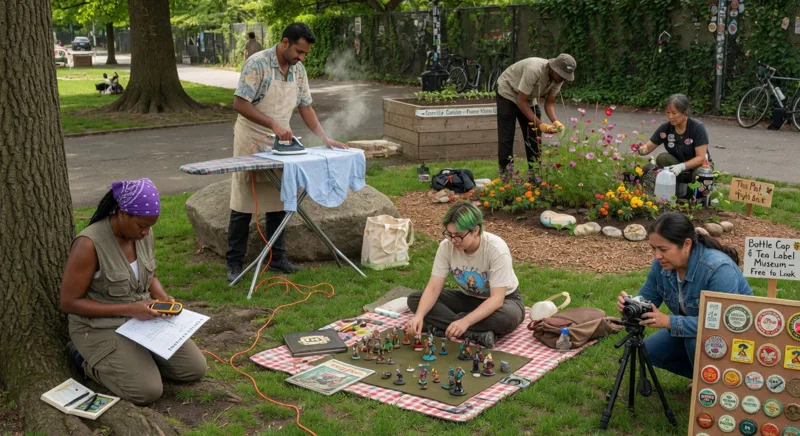
People who turned unusual hobbies into communities prove that almost any curiosity can become a shared adventure. From GPS treasure hunts to extreme ironing and miniature art, niche interests create friendships, traditions, competitions, and online spaces where being different is the whole point.
Why Unusual Hobbies Create Strong Communities
Mainstream hobbies already have built-in networks. Unusual hobbies work differently: enthusiasts often need to find one another before a community can exist. That search creates an immediate sense of connection.
A rare interest also gives members a clear identity. Collecting tea labels, building tiny dioramas, or searching for forgotten newspaper stories may seem solitary at first. Once people begin sharing techniques, discoveries, and stories, the hobby becomes a social activity.
Successful niche communities usually offer three things:
- A shared language: Members learn specialized terms, methods, and traditions.
- A regular activity: Challenges, meetups, competitions, or online events keep people involved.
- A welcoming entry point: Beginners can ask questions without needing expert knowledge.
Geocachers Turned Treasure Hunting Into a Global Community
Geocaching combines outdoor recreation, navigation, technology, and mystery. Participants use GPS coordinates to find containers hidden in public places, then record their discoveries and often leave a message or trade a small item.
What began as a modern scavenger hunt developed into a worldwide network of local groups, event organizers, land managers, and families. Participants share trail advice, create themed routes, and organize community gatherings. Official geocaching resources also connect players with groups and organizations supported by community volunteers.[2]
The appeal is easy to understand. Geocaching can be a solo hobby, a weekend activity with children, or a way to meet people after moving to a new city. It also gives ordinary parks, neighborhoods, and walking trails an extra layer of discovery.
Extreme Ironing Made an Ordinary Chore Extraordinary
Extreme ironing is exactly what it sounds like: people press clothes in unusual locations, including mountains, riversides, and other challenging environments. The activity began in the United Kingdom as a humorous combination of household chores and outdoor adventure, later developing into organized events.[1]
Its community grew because the hobby is visual, playful, and easy to explain. Participants can compete, take photographs, invent new locations, and invite spectators into the joke. Unlike expensive hobbies that require advanced equipment, extreme ironing mainly depends on creativity and a willingness to look slightly ridiculous.
That openness is part of its strength. The goal is not necessarily technical perfection. It is shared participation, memorable storytelling, and the freedom to treat an everyday object in an unexpected way.
Collectors Turn Small Objects Into Shared History
Collecting is one of the most adaptable unusual hobbies. Enthusiasts may gather airline sick bags, beer labels, bottle caps, vintage calendars, tea packaging, hotel soap, or matchbooks. To outsiders, these objects may look disposable. To collectors, they preserve design, travel, manufacturing, and cultural history.
Online forums and social media make it easier to compare collections, identify rare items, arrange trades, and document provenance. A collector who once felt alone can quickly find people who understand why a particular label, package, or printing error matters.
The most engaging collecting communities often include:
- Digital catalogs and collection inventories
- Trading and swap events
- Condition and rarity guides
- Photography contests and virtual exhibitions
- Local clubs, conventions, and specialist publications
This structure also helps beginners. Someone can start with objects already found at home before investing in storage, display cases, archival supplies, or specialist reference books.
Miniature Makers Built Communities Around Tiny Worlds
Miniature painting, model villages, dollhouse design, and model-horse collecting combine craftsmanship with storytelling. Participants do more than make small objects; they create characters, environments, and entire fictional worlds.
These communities thrive on visual feedback. Members post work-in-progress photographs, explain painting techniques, discuss materials, and encourage one another through difficult projects. A beginner may start by painting a simple figure and eventually learn sculpting, weathering, photography, lighting, and set design.
The hobby is particularly community-friendly because progress is visible. Every project offers a reason to share an update, request advice, or celebrate a small improvement. Online groups also make it possible to learn at a comfortable pace without needing to attend a physical club.
Urban Gardeners Turn Empty Spaces Into Shared Projects
Guerrilla gardening involves planting in neglected public spaces, often without formal ownership of the site. Although the practice can raise legal and safety questions, it has inspired networks focused on urban greening, pollinator habitats, food growing, and neighborhood improvement.
The community element comes from shared responsibility. Participants exchange seeds, discuss suitable plants, organize cleanups, and document changes over time. In some places, informal gardening has encouraged broader conversations about public space, biodiversity, and access to nature.
Responsible participants should always consider local regulations, property rights, water access, and plant safety. The strongest community projects improve an area without creating hazards or placing extra work on residents.
What These Communities Have in Common
Although these hobbies appear unrelated, they follow a similar pattern:
- One person experiments with an unusual idea.
- Others discover the activity and add their own interpretation.
- Participants create shared rules, vocabulary, and traditions.
- Online platforms make advice and visibility easier.
- Meetups, challenges, and events turn interest into belonging.
The hobby does not need to be profitable, practical, or widely understood. It only needs to give people a reason to return and something meaningful to share.
How to Find Your Own Niche Hobby Community
Start with a subject that already holds your attention, even if it seems too specific. Search for local clubs, online discussion groups, hobby forums, social media tags, or beginner events. Look for communities that explain their rules clearly and treat newcomers respectfully.
It also helps to contribute early. Post a question, share a first attempt, attend a meetup, or offer a useful resource. Niche communities grow when members exchange knowledge rather than simply consume it.
Conclusion
People who turned unusual hobbies into communities show that connection often begins with curiosity. A strange collection, playful challenge, or highly specific craft can become a lasting social world when people share it openly.
The next thriving community may begin with your own overlooked interest. What seems unusual to most people could be exactly what helps someone else feel understood.
You May Also Like
 Entertainment
The Ultimate Test of Your 2000s Pop Culture Memory
 Entertainment
Which Cozy Weekend Plan Matches Your Personality?
 Entertainment
Can You Identify These Movies From One Object?