The Little Rituals That Make Life With an Older Dog Special
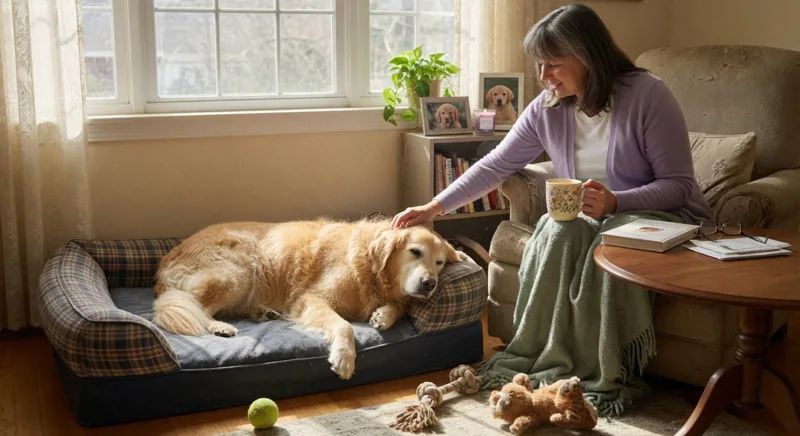
Life with an older dog is built from small, meaningful moments: the familiar morning stretch, the slower neighborhood walk, and the contented sigh beside you. These little rituals may seem ordinary, but they create comfort, connection, and some of the sweetest memories of a shared life.
Why Everyday Rituals Matter More With a Senior Dog
Older dogs often appreciate predictability. A consistent daily routine can make meals, medication, rest, exercise, and bedtime feel reassuring. As senses, mobility, or energy levels change, familiar patterns help your dog understand what comes next.
Routine also makes it easier to notice subtle changes. Is your dog taking longer to stand, avoiding stairs, eating differently, or sleeping more restlessly? These shifts can sometimes indicate pain or illness rather than simple aging. Senior dogs benefit from regular veterinary attention, and many guidelines recommend wellness exams about every six months, depending on the individual dog’s needs.[1][2]
The Morning Greeting
For many older dogs, the day begins with a gentle hello. Instead of encouraging an energetic leap from bed, offer a calm greeting and give your dog time to stretch and rise comfortably.
- Speak softly and use your dog’s familiar nickname.
- Wait patiently if standing takes extra time.
- Offer gentle affection where your dog enjoys being touched.
- Check for stiffness, limping, or unusual hesitation.
This simple ritual gives you a daily snapshot of your dog’s comfort and mobility. If getting up becomes difficult or your dog resists normal movement, speak with a veterinarian rather than assuming the change is inevitable.
A Slower, More Intentional Walk
Senior dog exercise does not have to mean long distances or fast walking. A short, unhurried stroll can provide physical activity, mental stimulation, and valuable time together.
Let your dog set the pace. Sniffing, pausing, and watching the world are part of the experience. If a traditional walk becomes tiring, try several shorter outings, a secure yard, or gentle indoor enrichment.
Helpful adjustments may include:
- Choosing flat, nonslip routes.
- Avoiding extreme heat, cold, and slippery surfaces.
- Using ramps instead of stairs where appropriate.
- Keeping water available during longer outings.
- Stopping before your dog becomes exhausted.
Changes in walking ability, difficulty with stairs, dragging the back feet, or reluctance to perform familiar activities can be signs that your dog needs a veterinary assessment.[4]
The Treat-and-Tooth-Care Ritual
A small treat can become a cherished part of the day, but dental health deserves equal attention. Dental disease is common in dogs and may cause pain, infection, inflammation, and difficulty chewing.[2][3]
Turn oral care into a calm ritual rather than a struggle. Begin with a short, positive session: touch the muzzle, lift the lip, and reward cooperation. With veterinary guidance, gradually introduce a dog-safe toothbrush and toothpaste. Never use human toothpaste, since some ingredients can be harmful to dogs.
Watch for bad breath, dropping food, chewing on one side, pawing at the mouth, or discomfort while eating. These symptoms warrant a professional oral examination. Home brushing supports dental health, but it does not replace veterinary dental care when disease is present.
The Comfortable Resting Place
Older dogs often spend more time resting, so a supportive sleeping area can make a significant difference. An orthopedic dog bed may ease pressure on aging joints, while nonslip rugs can help prevent slips when your dog gets up.
Keep food, water, and favorite resting spots easy to reach. If your dog struggles with cold weather, provide warmth safely. Avoid unattended human heating pads, which can cause burns. Your dog should always be able to move away from a heated or warm surface.[4]
Quiet Companionship Counts
One of the most special senior dog rituals is simply sitting together. Read a book, enjoy your morning coffee, or watch television while your dog rests nearby. Older dogs may not seek constant play, but they still value inclusion and familiar company.
Gentle grooming can become another bonding moment. Brush slowly, check the paws, and inspect the skin without forcing anything. Stop if your dog shows discomfort. Regular handling also helps you notice lumps, sore areas, coat changes, or weight loss that may deserve veterinary attention.
A Gentle Evening Check-In
Bedtime offers a natural opportunity to review the day. Did your dog eat normally? Drink normally? Walk comfortably? Have a bowel movement? Seem relaxed?
A brief daily note can reveal gradual changes that are difficult to remember. Track appetite, mobility, sleep, bathroom habits, medication, and mood. Quality-of-life discussions with a veterinarian can be especially helpful when chronic pain, arthritis, cognitive changes, or multiple health conditions are involved.
Making the Most of the Time You Share
The little rituals that make life with an older dog special are rarely expensive or complicated. They are built from patience, observation, and presence: a slower walk, a careful nail check, a shared nap, or a familiar goodnight.
Support your dog with age-appropriate exercise, dental care, comfortable surroundings, routine veterinary exams, and prompt attention to new symptoms. Most of all, keep showing up for the ordinary moments. For an older dog, your steady voice, gentle hand, and familiar presence may be the best part of every day.
References
You May Also Like
 Entertainment
The Ultimate Test of Your 2000s Pop Culture Memory
 Entertainment
Which Cozy Weekend Plan Matches Your Personality?
 Entertainment
Can You Identify These Movies From One Object?