The Most Satisfying Before-and-After Room Transformations
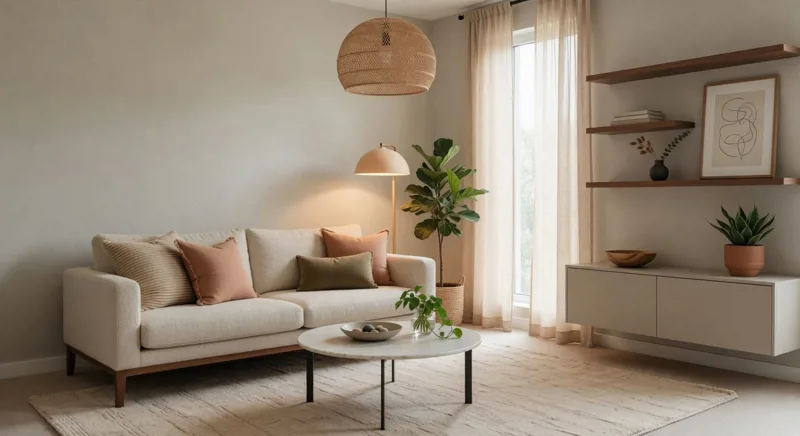
The most satisfying before-and-after room transformations prove that a beautiful home does not always require a massive budget. With thoughtful decluttering, better lighting, smart storage, and a cohesive color palette, even a tired or overcrowded room can feel fresh, spacious, and completely renewed.
What Makes a Room Transformation So Satisfying?
The best room makeovers solve everyday problems while improving the way a space looks. A successful transformation may create more usable storage, improve traffic flow, brighten a dark corner, or simply make the room feel calmer.
Before choosing paint colors or furniture, identify what is not working. Is the room difficult to clean? Does furniture block the walkway? Are there too many competing colors? Does the space lack a clear purpose?
Answering these questions creates a practical starting point and helps prevent spending money on decorative items that do not solve the real issue.
Living Room Before and After: From Cluttered to Calm
Living rooms often collect books, toys, cables, blankets, and furniture that no longer suits the household. The most dramatic living room transformations usually begin with editing rather than shopping.
Simple changes with a major visual impact
- Remove furniture that blocks windows, doors, or natural walkways.
- Arrange seating around conversation instead of pushing every piece against a wall.
- Use baskets, storage ottomans, and closed cabinets to hide everyday clutter.
- Replace mismatched accessories with a limited color palette.
- Layer overhead, task, and accent lighting for a warmer atmosphere.
- Add one large rug to visually anchor the seating area.
A room can feel significantly larger when the floor is easier to see. Floating shelves, wall-mounted lighting, and furniture with exposed legs can also create a lighter appearance, especially in a small living room.
Small Bedroom Makeovers That Feel Much Bigger
A small bedroom transformation is less about adding more and more about using every available surface wisely. Vertical storage, under-bed organization, and a carefully chosen bed frame can make a noticeable difference.
Consider replacing bulky bedside tables with narrow shelves or wall-mounted nightstands. Tall bookcases use vertical space efficiently, while storage beds and benches can hold clothing, bedding, or seasonal items.
Light wall colors, high curtain rods, and mirrors can help a bedroom appear more open. These details reflect available light and draw the eye upward, making the room feel taller and less enclosed.
A practical small-bedroom makeover plan
- Remove anything that does not belong in the bedroom.
- Sort clothing into keep, donate, repair, and seasonal categories.
- Measure the room before buying replacement furniture.
- Choose one visual focal point, such as the headboard or an accent wall.
- Use matching storage containers to reduce visual noise.
- Finish with soft lighting and a few meaningful accessories.
Kitchen Transformations: High Impact Without a Full Remodel
A kitchen makeover does not always require new cabinets or a complete renovation. Small updates can make an outdated kitchen look cleaner and more functional.
Start by clearing countertops and grouping appliances according to how often they are used. Keep daily essentials within easy reach and store occasional items in cabinets or a pantry.
- Refresh cabinet hardware for an instant style update.
- Paint dated cabinets if their condition allows it.
- Install under-cabinet lighting to brighten work surfaces.
- Use drawer dividers and vertical shelf risers to improve organization.
- Add a washable runner for color and comfort.
- Coordinate metals, textiles, and countertop accessories.
For homeowners considering a larger renovation, the project budget should reflect the property, neighborhood, materials, and intended length of ownership. Minor and midrange improvements often provide better practical value than highly customized luxury upgrades, although actual costs and returns vary considerably by location and design choices.[1][2]
Bathroom Before and After: Clean, Bright, and Organized
Bathrooms respond especially well to changes that improve cleanliness and storage. Replacing a worn shower curtain, updating the mirror, and adding coordinated fixtures can make the room feel substantially newer.
Use wall-mounted storage wherever possible. A slim cabinet, recessed shelf, or floating vanity can preserve floor space while keeping toiletries organized. Matching containers also create a more polished appearance than a collection of brightly colored bottles.
For a budget-friendly bathroom refresh, focus on grout cleaning, fresh caulk, new towels, improved lighting, and updated hardware. These details can deliver a satisfying before-and-after effect without changing the room’s layout.
Home Office Transformations That Improve Focus
An effective home office should support concentration while fitting naturally into the home. The before image is often dominated by tangled cords, paperwork, and furniture that is too large for the room.
Begin with a desk that fits the wall and provides enough surface area for essential tasks. Route cables along the underside of the desk, use vertical file storage, and keep frequently used supplies close by. Natural light is helpful, but position the monitor to reduce glare.
A simple background, comfortable chair, and layered lighting can make the space feel more intentional. Even a small corner can become a productive work zone when it has a clear boundary and a consistent visual style.
How to Plan a Satisfying Room Makeover
The most successful transformations follow a process rather than relying on impulse purchases.
- Photograph the room. Images reveal clutter, awkward spacing, and uneven visual balance.
- Set a realistic budget. Divide spending between repairs, functional upgrades, and decoration.
- Measure everything. Check doorways, windows, wall lengths, and furniture dimensions.
- Declutter before decorating. Do not organize items you no longer use.
- Choose a foundation. Select flooring, wall color, or a key furniture piece first.
- Improve lighting. Use a combination of ambient, task, and accent sources.
- Add personality last. Art, plants, textiles, and accessories should support the room rather than overwhelm it.
Final Thoughts
The most satisfying before-and-after room transformations are not defined by expensive finishes. They succeed because they make the space easier to live in. A clearer layout, better storage system, brighter lighting, and intentional color scheme can completely change how a room feels.
Start with one problem area, make one meaningful improvement, and build from there. When function comes first, the finished room looks better, feels calmer, and stays enjoyable long after the makeover is complete.
You May Also Like
 Entertainment
The Ultimate Test of Your 2000s Pop Culture Memory
 Entertainment
Which Cozy Weekend Plan Matches Your Personality?
 Entertainment
Can You Identify These Movies From One Object?