Why We All Have One Unreasonably Specific Pet Peeve
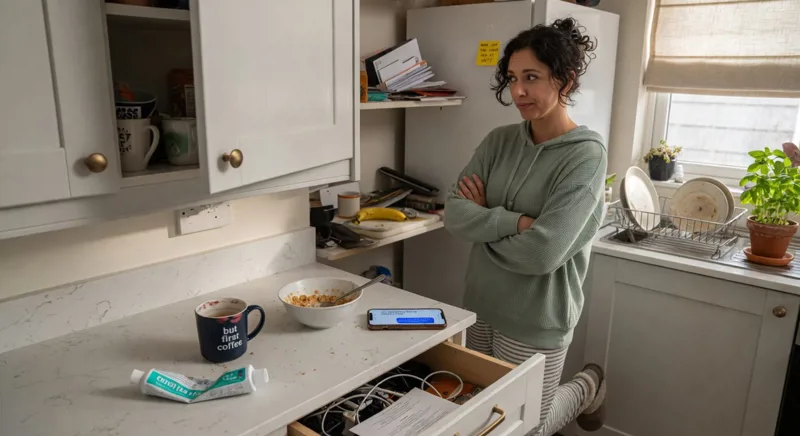
Why we all have one unreasonably specific pet peeve is less mysterious than it seems. That oddly precise irritation—someone leaving a cabinet open, chewing ice, or stopping at the top of an escalator—often reflects how the brain handles stress, disrupted expectations, sensory input, and social behavior.
What Is a Pet Peeve, Exactly?
A pet peeve is a repeated behavior or situation that triggers unusually strong annoyance. Unlike a major problem, it is usually small, harmless, and easy for other people to overlook. That is what makes it feel so personal: the action may be objectively minor, but your reaction is remarkably consistent.
Common pet peeves include:
- People who walk slowly in the middle of a crowded path
- Open drawers and cupboard doors
- Loud chewing, pen clicking, or repetitive tapping
- Messages that contain no punctuation
- Being interrupted before finishing a sentence
- Late arrivals, even when the delay is brief
- Someone squeezing toothpaste from the middle of the tube
These reactions are not entirely random. Pet peeves often form where personal standards, sensory sensitivity, past experiences, and daily stress overlap.
Why Small Annoyances Can Feel So Big
Your brain notices blocked goals
Annoyance often appears when something interferes with what you are trying to do. A person who blocks a doorway slows your movement. A noisy coworker disrupts concentration. Someone who repeatedly interrupts prevents you from completing a thought.
The behavior may be insignificant in isolation, but the brain reads it as friction. When the same friction happens repeatedly, irritation can become automatic. Research and expert commentary on pet peeves describe this pattern as an accumulation effect: several small disruptions can eventually feel like one large burden.[1][2]
Repetition trains your attention
The more often you notice a specific behavior, the easier it becomes to spot it again. This is a basic feature of attention. Once your mind labels something as irritating, it begins scanning for evidence that the problem is happening.
That can create a feedback loop:
- You notice a behavior and feel annoyed.
- Your brain stores it as a recurring problem.
- You become more alert to the same behavior.
- Each new example confirms your expectation.
- The reaction grows faster and stronger.
In other words, your pet peeve may become “specific” because your attention has learned to prioritize it.
Stress Makes Your Pet Peeve Worse
Patience is not a fixed personality trait. It changes with sleep, workload, hunger, anxiety, and emotional strain. When stress levels rise, the brain has fewer resources available for filtering minor disruptions.
That is why the sound of a dripping faucet may seem tolerable on a relaxed weekend but unbearable after a difficult day. The faucet has not changed; your capacity to absorb one more irritation has.
Frequent annoyances can also activate the body’s stress response, involving physiological changes associated with irritation and frustration.[1] A specific pet peeve can therefore become a convenient target for broader tension that has built up elsewhere.
Personality and Sensory Sensitivity Matter
People do not experience the same environment in the same way. Personality traits, attention patterns, and sensory sensitivity can influence what feels intrusive or distracting. Studies of noise annoyance have linked individual differences—including emotional stability, extraversion, and openness or imagination—to different patterns of irritation.[3]
Some people are especially sensitive to sound. Chewing, throat clearing, keyboard tapping, or repetitive clicking can produce an intense response that goes beyond ordinary dislike. In some cases, this may resemble misophonia, a condition involving strong reactions to particular sounds. However, an everyday pet peeve is not automatically a mental health condition, and there is no single psychological profile shared by everyone who has one.[2]
Your most specific pet peeve may simply reveal how your attention and senses interact with the world.
Pet Peeves Often Reflect Personal Values
Many annoyances are really violations of an internal rule. If you value efficiency, slow decision-making may bother you. If you value cleanliness, leaving crumbs on a counter can feel disrespectful. If you value courtesy, failing to say “thank you” may stand out immediately.
This explains why two people can witness the same behavior and react differently. One sees a harmless habit; the other sees carelessness, selfishness, or a lack of consideration.
Sometimes the irritation is not about the physical act at all. It is about the meaning attached to it.
Why We Talk About Our Pet Peeves
Announcing a pet peeve can serve several social purposes. It may help people explain their preferences, establish boundaries, or connect with others who share the same irritation. A highly specific complaint can also become part of someone’s identity or conversational style.
Still, repeatedly expressing irritation does not always improve relationships. Research discussed by psychologists suggests that frequent complaints about pet peeves can be associated with lower relationship satisfaction.[1] The issue is not having a preference; it is allowing a minor trigger to dominate interactions.
How to Handle an Unreasonably Specific Pet Peeve
- Name the trigger accurately: Identify the exact behavior instead of labeling the person as inconsiderate.
- Check your stress level: Ask whether fatigue, pressure, or frustration is intensifying the reaction.
- Separate impact from intent: Something can bother you without being deliberately rude.
- Choose useful boundaries: Make a clear request when the behavior genuinely affects your work, rest, or well-being.
- Practice flexible attention: Notice the irritation without immediately feeding it with criticism.
- Look for patterns: If sounds or repetitive behaviors cause overwhelming distress, consider discussing the experience with a qualified professional.
The Surprisingly Useful Truth About Pet Peeves
Having one unreasonably specific pet peeve does not mean you are unreasonable. It means your brain has learned that a particular cue deserves attention. The cue may connect to your values, sensory system, past experiences, or current stress.
The goal is not to eliminate every annoyance. That would be impossible. The more practical goal is to understand why the trigger matters, decide when it deserves action, and avoid letting a tiny behavior control your entire mood.
So the next time someone leaves a cabinet open or types without punctuation, pause before declaring a personal emergency. Your pet peeve may be real—but it may also be a small window into how your mind organizes order, attention, and everyday life.
References
You May Also Like
 Entertainment
The Ultimate Test of Your 2000s Pop Culture Memory
 Entertainment
Which Cozy Weekend Plan Matches Your Personality?
 Entertainment
Can You Identify These Movies From One Object?