Fierce Things You Might Not Know About Wolverines

The chances are that when you think of wolverines, your mind is more likely to go to the superhero character than the animal. Well, they are considered an endangered species in the US, so the likelihood of seeing one is rarer than catching a film with Hugh Jackman playing said character.
With the prevalence of this species dropping significantly, though, it’s important that more people know about these creatures. That way, there’s more likely to be a concentrated effort to try and save them and prevent another species from being wiped out completely. If you aren’t that familiar with them right now, you might need the fierce things you might not know about wolverines.
These animals have shorter lifespans and gestation periods
A wolverine matures far quicker than a human because their lifespan is much shorter. Usually, one of these animals will live between seven and 12 years, and they’ll begin having offspring when they’re around two years old. Apparently, it’s common for wolverines to mate with several female partners that live in their territory, with gestation only lasting a matter of weeks. A pregnant wolverine will usually deliver an average of three kits that stay with their mom for roughly a year before going off on their own. Although she is largely responsible for caring for the young, the dad does also apparently help out.
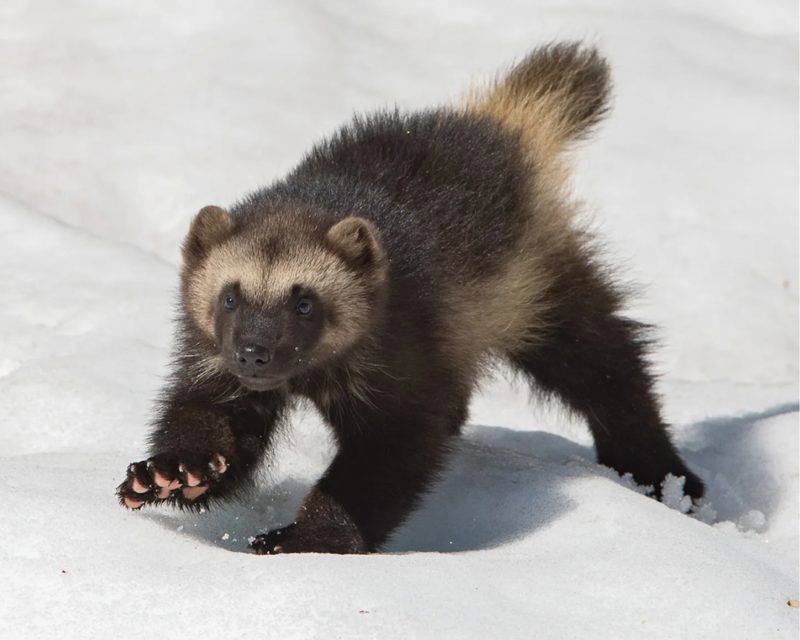
Wolverines are far better suited to colder climates than warm ones
One of the reasons that wolverine numbers are currently dwindling is apparently tied to climate change. Increasing temperatures are reportedly too much for these animals to handle because they’re made to survive in the cold. You typically find these creatures in parts of North America, Europe, and Asia, where temperatures are cool throughout the year. Boreal forests and tundra tend to be popular habitats, with wolverines having no trouble running through the snow on their big paws. They’re supposedly able to go at speeds of 30 mph, something that probably helps them to keep warm alongside their thick, frost-resistant fur.
Wolverines aren’t afraid to use offensive odors to keep other animals at bay
Looking at a wolverine and a skunk, you probably wouldn’t mix up the two. However, the creatures do bear similarities, like their ability to use odor to their advantage. Wolverines reportedly have glands that produce a powerful smell that helps to mark their territory and keep their food safe from other animals. If one of these creatures feels threatened, it may well raise its tail with the intention of using its offensive fragrance as a means of defense. Evidently, the scent is something they can handle themselves, given their sense of smell is so strong they can locate prey that’s hidden beneath 20 feet of snow.
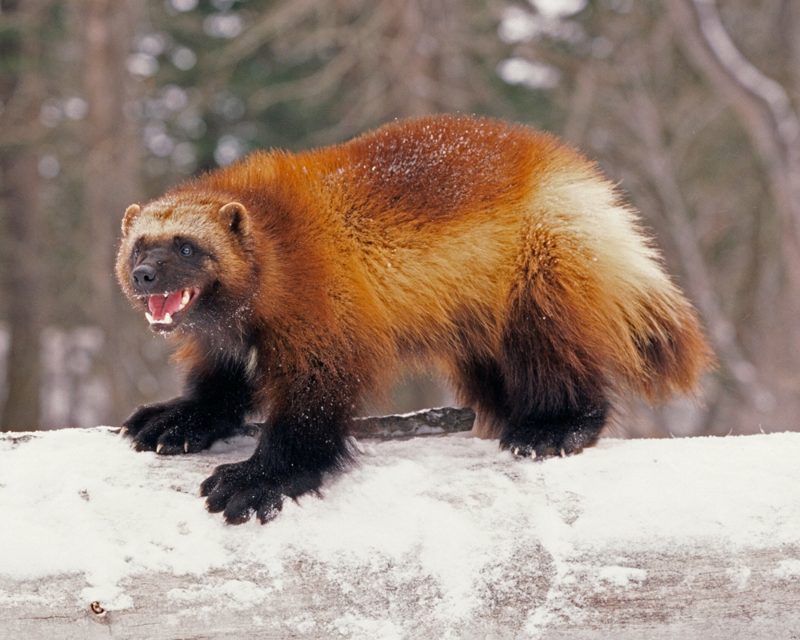
They’re highly prepared and tenacious when it comes to sourcing their food
If there’s one thing that wolverines are seemingly passionate about, it’s food. It’s incredible the variety of things they’ll dine on and the lengths they’ll go to just to eat. These creatures supposedly aren’t afraid to stand up to bears and wolves when there’s a meal going, and they’ll sometimes go after large animals like caribou if the prey is weak enough. You definitely don’t want to get on the wrong side of wolverines because their teeth are strong enough to break through ice-covered carcasses and even bones. Despite this, they are apparently partial to berries and vegetables as well.
They’re not afraid to travel far in search of food
Seeing as wolverines can potentially run at speeds of 30 mph, it perhaps makes sense that they’re often capable of covering around 15 miles each day. If these animals are in search of food, they’ll seemingly travel as far as they need to just to find it. One wolverine apparently once traveled some 500 miles in 2009, with the creature discovered in Colorado having come from Wyoming. While incidents like this do occur, though, it’s much more common for wolverines to roam in smaller territories. This is reportedly around 47 square miles in the US, a much more limited area than the 270 miles it apparently is in Scandinavia.
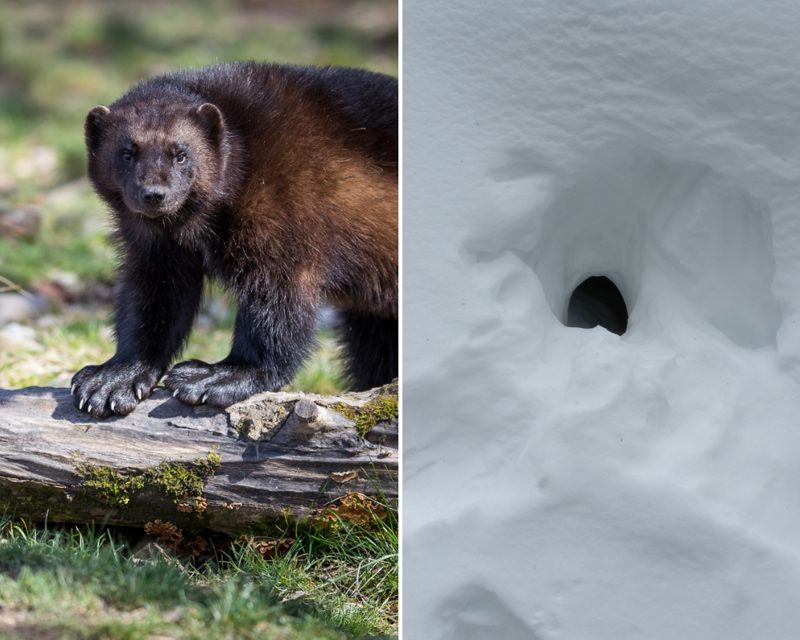
Their claws allow wolverines to dig deep holes and climb trees
It’s not just horizontal distances that wolverines like to cover. These creatures are supposedly also capable of digging deep underground and potentially even climbing trees, thanks to their claws. They’re usually much more adept at the former than the latter, able to dig dens in the snow that are some 15 feet deep. If a wolverine can smell prey that’s been buried a long way underground, there’s a good chance they’ll be able to reach it because of this useful ability. Considering what their claws can do, it’s probably a smart idea not to get too close to them.
Now that we know so much more about wolverines, we don’t want to see the species become another victim of extinction. Hopefully, more can be done to protect these animals so that they and many others stick around for a long time to come.
You May Also Like
 Entertainment
The Ultimate Test of Your 2000s Pop Culture Memory
 Entertainment
Which Cozy Weekend Plan Matches Your Personality?
 Entertainment
Can You Identify These Movies From One Object?