How Do You Keep A Reticulated Python At Home?

Pets come in all shapes and sizes, and sometimes, that’s long. That’s right; we’re talking about reticulated pythons. They are some of the largest types of snakes that can be kept as pets and aren’t for beginners, but if you know what you’re doing, they can be a great addition to the home. Of course, being so large means we need to consider quite a few things before bringing one home.
After all, they aren’t cuddly pets and can weigh more than 200 pounds, meaning you might need more than one person to move the snake around. While they enjoy being on the ground, reticulated pythons might also enjoy a swim every now and then. So, how do you keep a reticulated python at home? With a little bit of forward planning.
Reticulated pythons require huge living spaces
Being so large means that a reticulated python needs an even larger space to live. At a minimum, most require custom enclosures that are at least eight feet long, three feet tall, and two feet wide. The best option is to use a walk-in closet or a bedroom for your reticulated python to ensure they have enough room to stretch out, but that’s not all. Like other snakes, they like somewhere to hide, so having logs or boxes for them to curl up in is essential. However, due to their size, you need to ensure these are strong enough to take their weight if you don’t want to continually replace their hide.
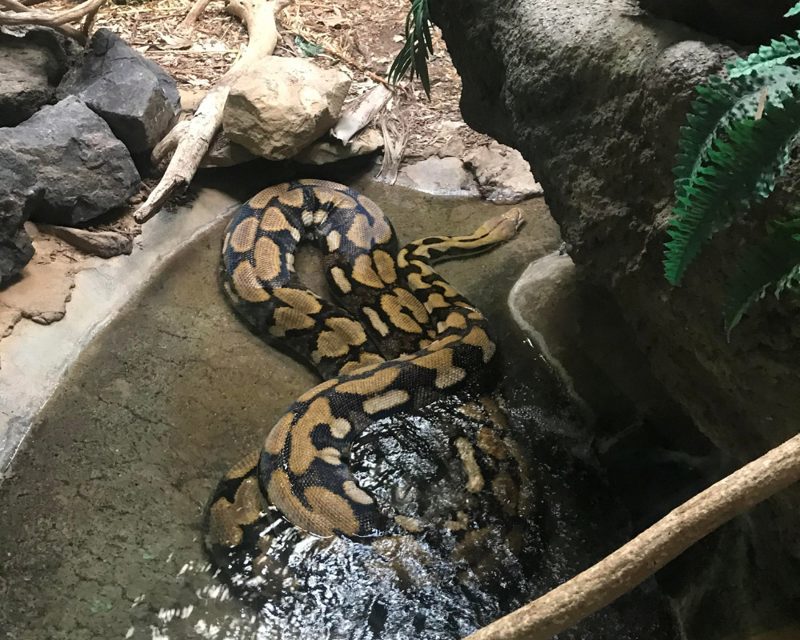
Coming from the rainforest dictates heat and light requirements
Reticulated pythons naturally live in the rainforest, so it’s important to mimic that environment at home. This means a basking spot that gets to somewhere around 90 degrees Fahrenheit during the day and a cooler spot of 75 degrees Fahrenheit overnight. Ceramic bulbs or heat lights are ideal for this, but ensure your reticulated python can’t touch the bulb, as this can cause burns. Light is also vital to keeping your python healthy. If you don’t have a heat lamp that emits light, find other bulbs to provide a source of white light and use a 12-hour day/night cycle to mimic what your python would enjoy in the wild.
Reticulated pythons need higher humidity levels than some other snakes
Rainforests are also typically more humid than other areas of the world, and it’s something to take into consideration before welcoming a reticulated python as a pet. Most of the time, humidity should be kept between 50% and 70%. However, the closer you get to shedding time, the higher this should be on the scale. If the humidity is too high, this can lead to health issues, so be sure to get a hygrometer to check it’s always within the correct range.
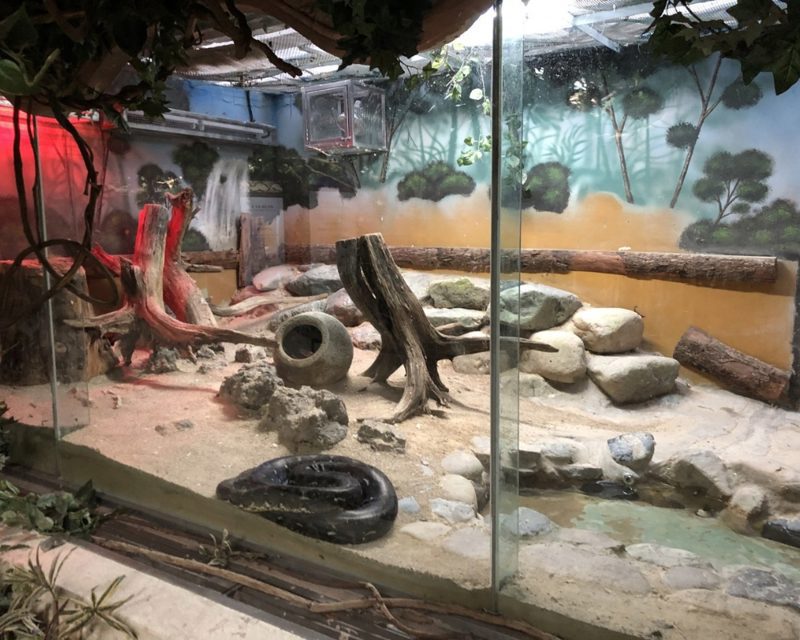
There are several substrates to choose from
When it comes to choosing a substrate for your articulated python, it’s all about what’s within your budget and what can be kept clean regularly and replaced once a month. Things like aspen wood shavings, bioactive soil, and cypress mulch are good natural options for those who prefer this look. Then there are things like newspaper and cardboard for people who need something more affordable. You can even line the bottom of your enclosure with newspaper to make it easier to clean out your reticulated python’s enclosure.
Reticulated pythons need larger food options
Just because they spend most of their time on the ground, reticulated pythons are like so many other snakes and often enjoy going for a swim every now and then. This is something to take into consideration when it comes to building your enclosure, as a water source large enough for your snake can take up a huge amount of space. You also need to think about their food. A rough rule of thumb should be to offer something that is as wide as the widest part of your snake, which could mean they eventually end up eating things like rats, rabbits, and chickens.
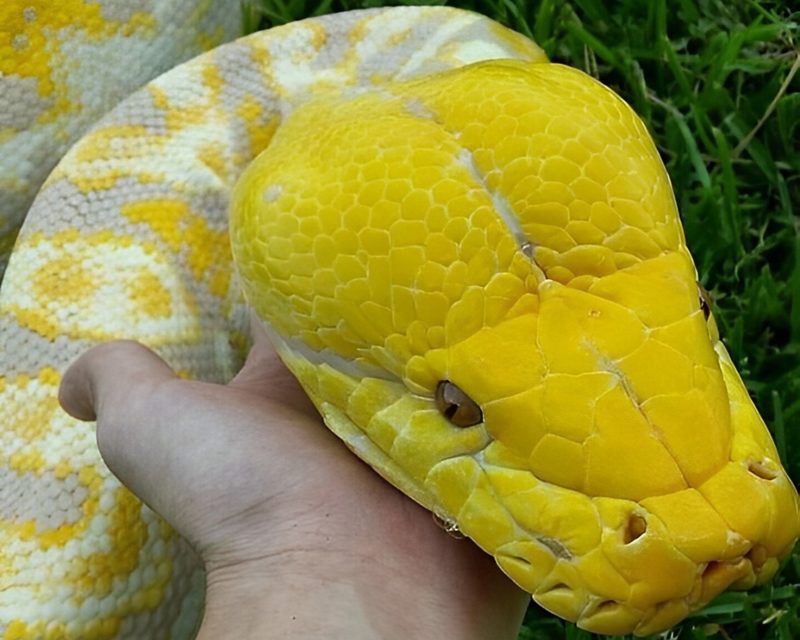
Be aware of common health issues that could affect reticulated pythons
When it comes to keeping any snake as a pet, you need to think about the common health issues that could come their way. For reticulated pythons, that could be things like wounds, parasites, mouth rot, fungal or bacterial infections, impaction, respiratory issues, or retained shed. It’s always best to check there is a reptile vet who has knowledge of reticulated pythons before bringing your pet home to ensure you can get them the care they need, just in case.
How do you keep a reticulated python at home? Being so large means it can take a lot of work and planning, but once they are home and settled, it shouldn’t be long before you find a routine that keeps everyone happy and healthy.
You May Also Like
 Entertainment
The Ultimate Test of Your 2000s Pop Culture Memory
 Entertainment
Which Cozy Weekend Plan Matches Your Personality?
 Entertainment
Can You Identify These Movies From One Object?