A Closer Look At How Male Seahorses Welcome Their Young

Most of the time, it's the females in a species that give birth. However, seahorses are an exception to the rule. They, along with their close cousins, sea dragons, do something a little different. That's because males are the lucky winners as they are the ones to carry the young and ultimately give birth.
So, what makes them a male instead of a female if they're the ones giving birth? It turns out there's a lot more to this underwater creature than first meets the eye. In fact, taking a closer look at how male seahorses give birth goes to show they are, in fact, males - even if they're the ones who end up pregnant.
Male seahorses are equipped with everything they need to give birth
They might be male seahorses, but it turns out these creatures have everything they need to give birth. In fact, they have a uterus-like pouch found in their tails, but that doesn't mean they are females. Instead, the females are still the ones to make the eggs - they are just inserted into the male's tail before they're fertilized. Once ready, the male can supply his new babies with everything from nutrients to oxygen until he's prepared to give birth, making them even more unusual compared to plenty of other underwater creatures who lay eggs instead.
Male seahorses carry their young for 24 days before giving birth
It turns out the entire pregnancy doesn't last long for a male seahorse, with them having a gestation period of 24 days. However, things get even stranger when it comes to the entire birth. While plenty of female creatures share similar ways of welcoming their young into the world, it turns out male seahorses do something that could be even more unusual.
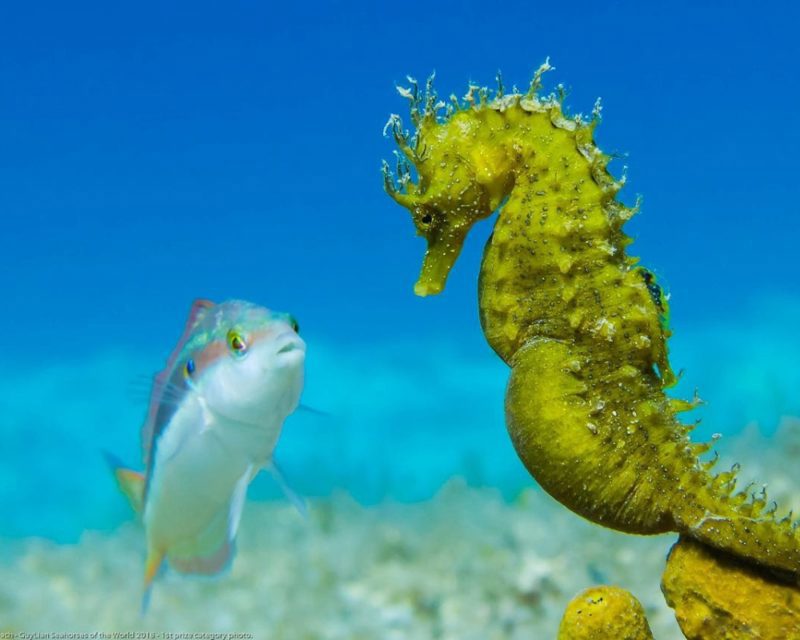
Typical births aren't something females of any species can control
Most females can't control when they give birth. Instead, it's all down to a hormone called oxytocin that causes the smooth muscles of the uterus to contract and, therefore, push babies out. It wasn't until September 2022 that the University of Sydney took a closer look at how male seahorses welcome their young and realized they don't respond to the fish version of oxytocin. They also found the pouch used barely has any smooth muscle tissue, leaving them more confused than ever about how these creatures give birth.
No one is sure if male seahorses can control when they give birth
It turns out male seahorses have three small bones at the opening of their brood pouch where a certain fin attaches to other muscles. While females have the same fins, they are far more prominent on male seahorses. When it comes time to find a mate, male seahorses will do a strange sit-up-style dance that sees them expand and crunch their abdomens as they let water into their brood pouches and push it back out again. This is exactly what happens when they go into labor. The twist? Instead of a smooth muscle being the thing that pushes out the babies, it's all down to the male's fin and skeletal muscles that open the brood pouch and welcome thousands of babies into the world. Still, the fact males can do this when they mate has left researchers wondering whether or not they can trigger when they go into labor.
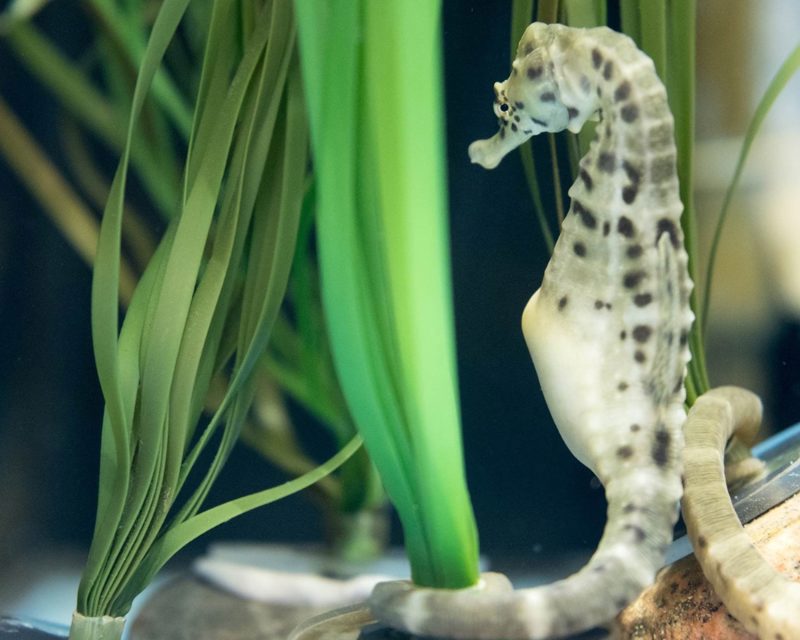
There could be a reason the males give birth instead of the females
Of course, one thing plenty of people want to know is why male seahorses give birth instead of females. While there is no definitive answer, researchers think they might have a good idea. Males can welcome as many as 2,000 baby seahorses at once, but most of these will be eaten by prey before they grow up. By having male seahorses welcome their young, it means females can spend more time creating extra eggs to be fertilized as soon as a male is ready.
Taking a closer look at how male seahorses welcome their young goes to show just how amazing - and unusual - these creatures really are. Of course, there's still a long way to go before we finally have all the answers about this unique species.
You May Also Like
 Entertainment
The Ultimate Test of Your 2000s Pop Culture Memory
 Entertainment
Which Cozy Weekend Plan Matches Your Personality?
 Entertainment
Can You Identify These Movies From One Object?