The Best And Worst Cheese For People Who Are Lactose Intolerant

Being lactose intolerant can have more of an impact on someone's life than it seems on the surface. Having a lack of an enzyme called lactase - the thing in charge of breaking down lactose in dairy products - often means people feel they have to make huge lifestyle changes to avoid any dietary upsets.
Amazingly, it turns out you might not have to avoid all dairy products, as some cheeses come with incredibly low doses of lactose and are, therefore, a lot better for our digestive systems. Then again, others might be enough to leave us in a lot of discomfort. The result? The best and worst cheese for people who are lactose intolerant.
Parmesan, Camembert, and cheddar are some of the best cheese for lactose-intolerant people
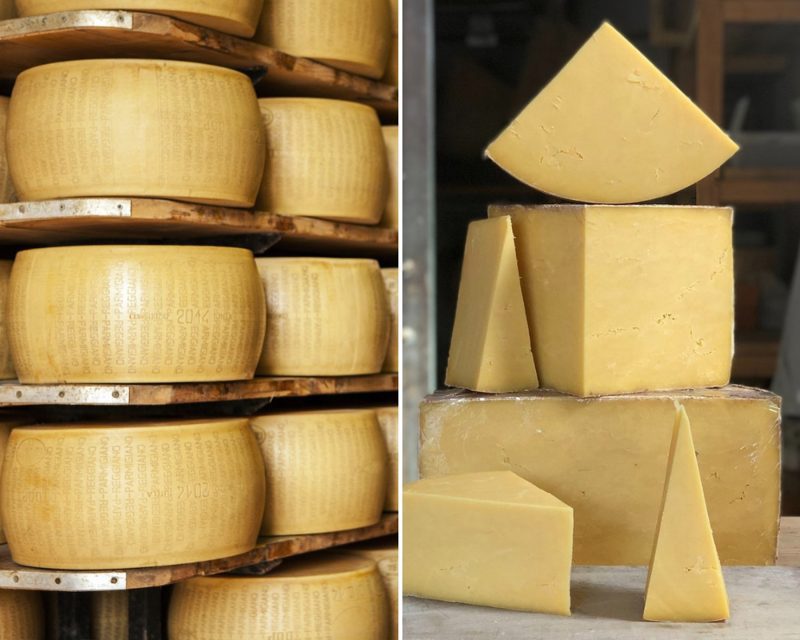
While some people feel symptoms from even the tiniest bit of lactose, others can handle a fair amount before anything happens. Whatever the case, hard and aged cheeses tend to be the best on the market for people who are lactose intolerant. That's because the curds are drained of liquid, meaning the whey - the thing that contains most of the lactose - is removed. Plus, the longer the cheese is aged, the lower the lactose content. Muenster is the best type of cheese, with a 0 - 1.1% lactose content. Thankfully, brie (0 - 2%), cheddar (0 - 2%), and Parmesan (0 - 3%) also come with incredibly low lactose contents, making them top contenders for people looking for some cheese without the unwanted side effects.
American, ricotta, and feta are some of the worst cheese for lactose-intolerant people
On the other end of the scale are the cheeses with the highest lactose content, which could end up causing a lot of pain and discomfort for people who are lactose intolerant. These tend to be highly processed or soft cheeses that haven't lost their lactose content while being made. The lactose doesn't have a chance to turn to lactic acid before it's eaten, with a lot of the whey left in the final product. Feta can be one of the worst, with a lactose content of up to 4.1%. That's not all, with ricotta having up to 5.1% and American cheese perhaps being the worst with a lactose content of up to 14.2%.
There are ways we can still eat cheese with lactose intolerance
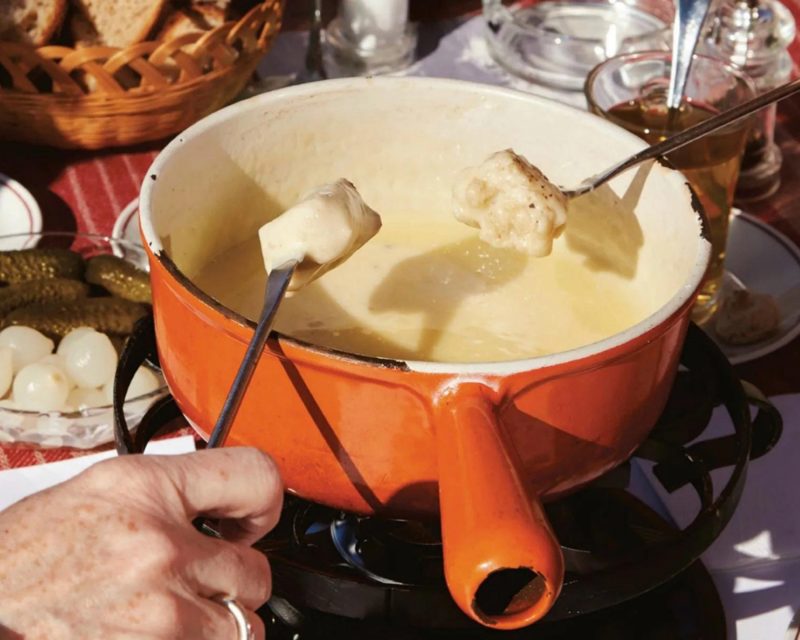
If you're worried about eating cheese when you're lactose intolerant, you're not alone. The best place to start is to have a small serving that's enough to give you a taste without going overboard. From there, measure your symptoms to see if you experience any discomfort, which should usually start within the first few hours. If everything goes to plan, try gradually adding more to your diet, paying close attention to how your body reacts. If you're really worried about ingesting any lactose, why not try vegan cheese instead? These come with no lactose due to the way they are made but still offer up all the tastes and textures that come with other cheeses on the market.
The best and worst cheese for people who are lactose intolerant might just go to show we can still have our cheese and eat it, too - depending on our tolerance and the type of cheese that is. Sometimes, it's all about taking things slowly and knowing when we need to make some changes to our diet.
You May Also Like
 Entertainment
The Ultimate Test of Your 2000s Pop Culture Memory
 Entertainment
Which Cozy Weekend Plan Matches Your Personality?
 Entertainment
Can You Identify These Movies From One Object?