Incredible Facts About The Wild Animals Of Chernobyl

In April 1986, an accident at the Chernobyl Nuclear Power Plant had a major impact on the people in the surrounding area. Some lost their lives, others developed cancer from the radiation, and many thousands were evacuated from their homes, never to return. While the people may have left, though, the animals still remain.
Throughout the years, they have largely been left to their own devices, with plenty adapting to live in their new homes following the fallout. While the Chernobyl accident was one of the biggest disasters the world will never forget, the incredible facts about the wild animals of Chernobyl go to show just how resilient nature can be in the face of danger.
The animals have mutated, but not in the way you might expect
For animals to be living in a part of the world that's not safe for humans, you might assume that they've been significantly mutated by the radiation. However, real life isn't a cartoon. Despite what some people might expect, these creatures don't have extra eyes or limbs, nor are they incredibly large for their size. That's not to say that their genetics haven't mutated, though. The impacts are simply much more subtle and require more research to understand better.
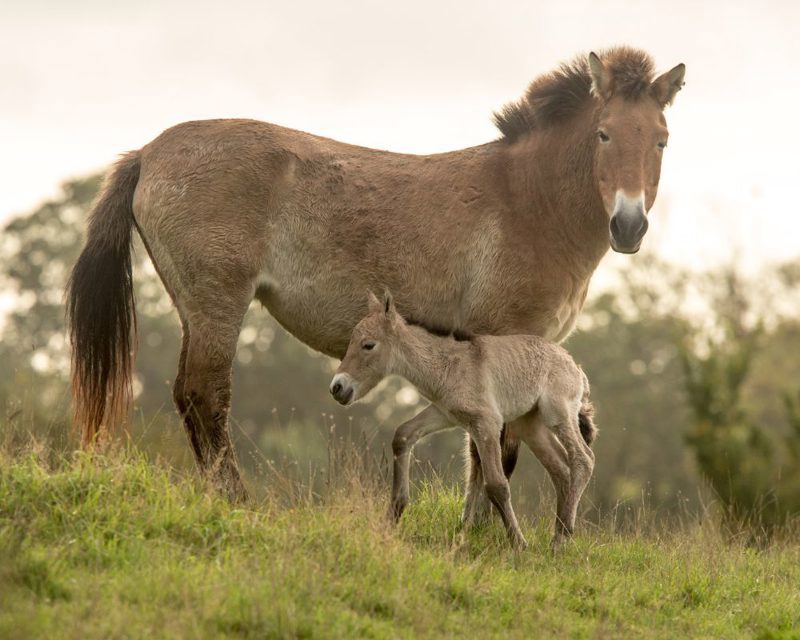
Przewalski's horses have become less endangered because of Chernobyl
It's tragic the amount of animals that we're losing in the world because they're going extinct. However, it seems that one saving grace of the Chernobyl accident is that it's helped to bring a species of horse back from the brink. It seems that Przewalski's horses are thriving in the Chernobyl Exclusion Zone (CEZ), with at least several hundred of these animals now around. That's a significant change from the 1990s when reports stated that they hadn't been seen in the wild since the 1960s.
Voles and birds have been particularly affected by Chernobyl's radiation
Some of the ways that animals have been affected can be seen in voles and birds. The former tend to eat mushrooms, a food that is sometimes quite good at concentrating radiation. As a result, there's apparently been an increase in cataracts and a drop in fertility in the CEZ. Meanwhile, bird species like the barn swallow have reportedly shown an increase in partial albinism. There's also apparently been more birds born with smaller brains and lower species diversity.
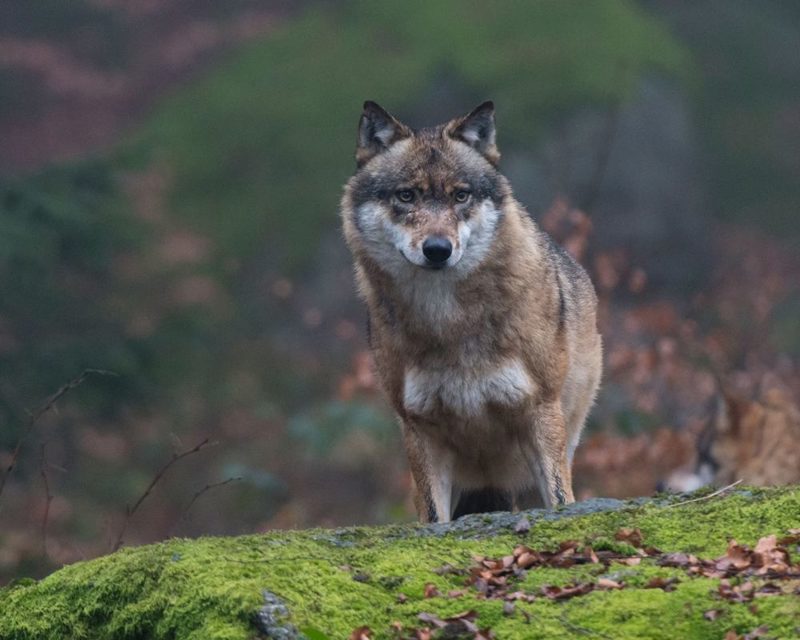
Some animals in the CEZ are coping better without any humans around
When the global health crisis happened a few years ago, some parts of the wild thrived because of the lack of human activity. That's something that we've been seeing in the CEZ for years. With so few humans around, plenty of animals are thriving here, despite the fact they're living in a radiation zone. Some species are reportedly coping better in the CEZ than outside of it, with those inside now unafraid of humans and seemingly living their best lives.
While the initial burst of radiation might have weakened since the 1980s, Chernobyl is still far too toxic to be considered safe for humans to live in. In fact, according to several scientists, it might not be habitable again for some 20,000 years. At least plenty of animals are able to make the most of that. This has become their land again, and no one's going to take that from them for a long time.
You May Also Like
 Entertainment
The Ultimate Test of Your 2000s Pop Culture Memory
 Entertainment
Which Cozy Weekend Plan Matches Your Personality?
 Entertainment
Can You Identify These Movies From One Object?